Cloud-based image synthesis platforms that cost nothing upfront allow users to type descriptive text prompts and instantly generate visual media through machine learning models running on remote servers. Practitioners rely on a dependable free ai image generator when testing out new concept art ideas, prototyping marketing creatives, or experimenting with style prompts without committing to a monthly subscription. Behind these simple web interfaces, complex neural networks—typically built on latent diffusion architecture—process millions of parameters to translate natural language into striking digital imagery.
Have you ever spent an entire afternoon typing prompts into a zero-cost browser tool, only to end up with warped hands, garbled text, and watermarks plastered across your best results? It is a frustrating cycle that makes you question whether these platforms are actually useful or just clever marketing traps. Cutting through the marketing hype reveals what these tools can truly achieve, where they notoriously fail, and how to work around their stubborn limitations.
What a Free AI Image Generator Actually Is and How It Operates Behind the Scenes
At its core, any public image synthesis utility operates by reversing a process called noise addition, where a neural network learns to gradually sculpt a clear picture out of pure television static based on your written instructions. When you enter a prompt into a browser interface, you are sending instructions to heavy-duty GPUs running in a remote data center. These graphics cards match your words against massive training datasets containing billions of captioned photographs and artworks collected from the web. Understanding this operational loop matters because it explains why your results look the way they do. If the underlying training data lacks clear examples of a specific niche object, the model will simply guess, resulting in those bizarre distortions we have all learned to spot.
Additional Information
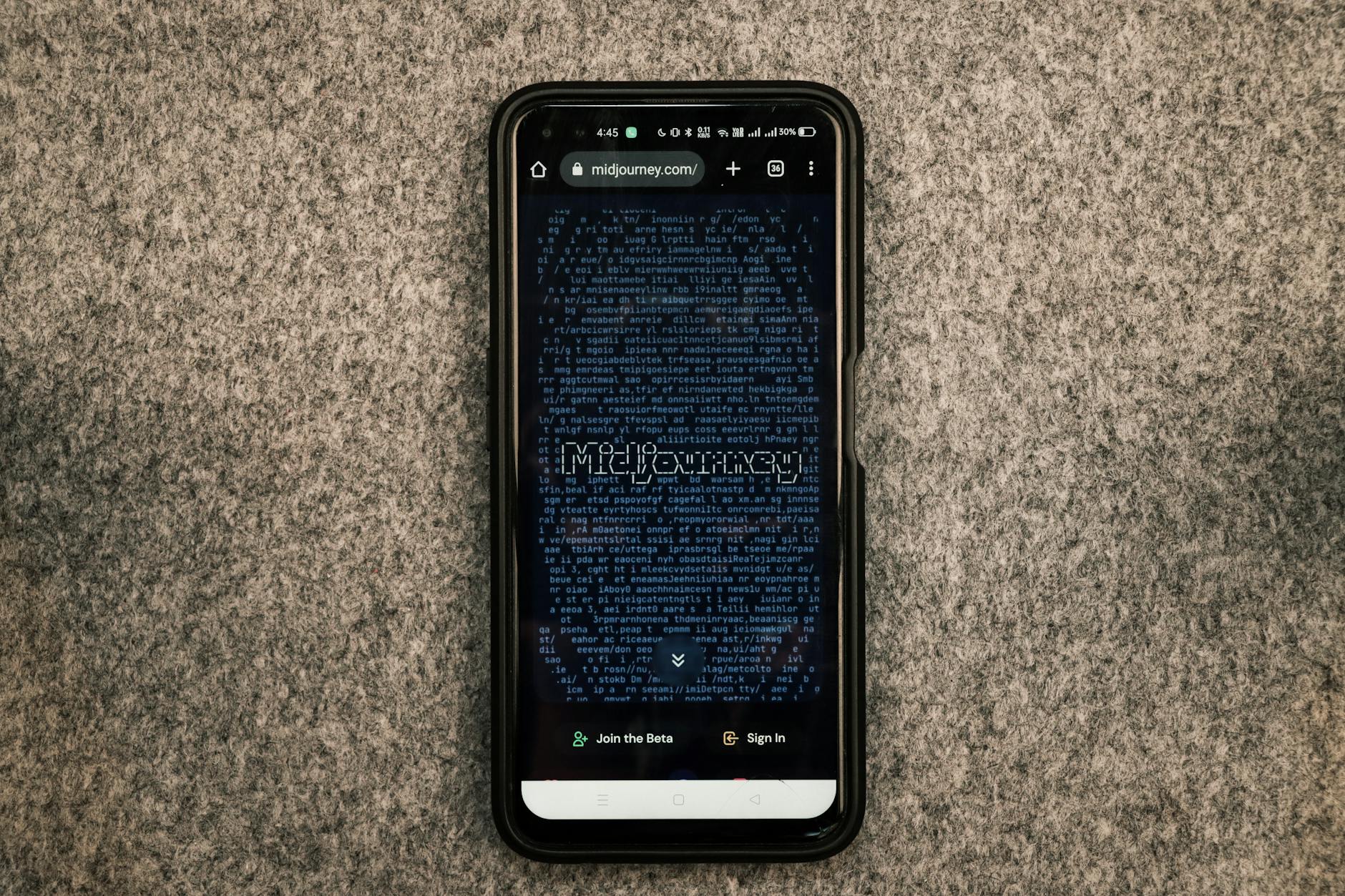
Consider what happens when you ask a browser-based platform to render a vintage typewriter sitting on a wooden desk next to a steaming mug of coffee. The system tokenizes your text, identifies semantic relationships between “typewriter,” “wood,” and “coffee,” and begins denoising pixels to match those concepts. In my experience testing dozens of these platforms, the quality of the output depends almost entirely on how well the provider has optimized their inference speed and model weights. Some platforms use distilled versions of larger models to save computing power, which makes them lightning-fast but noticeably weaker at rendering intricate details. Others give you access to full-scale foundation models, but make you wait in a public queue while thousands of other users generate images simultaneously.
Here is a quick look at the typical architecture powering these systems:
- Text Encoder: Translates your natural language prompt into mathematical vectors that the computer understands.
- Latent Diffusion Model: Iteratively removes noise from a blank canvas guided by those vectors over dozens of steps.
- Decoder: Upscales the final latent representation into a high-resolution PNG or JPEG file you can download.
Recognizing these technical constraints changes how you approach your daily workflow. You stop expecting magic from a simple sentence and start treating the generator like a talented, slightly unpredictable digital assistant. When you know that the system is just predicting pixel patterns rather than understanding human anatomy or spatial physics, you can adjust your prompts to keep the engine inside its comfort zone.
Hidden Costs of Free Tiers: Credits, Watermarks, and Commercial Rights
No software company maintains expensive server clusters out of sheer generosity, which means zero-cost access always comes with hidden catches disguised as user-friendly limitations. Most cloud platforms rely on a freemium business model where you receive a daily or monthly allowance of generation credits that reset periodically. Once you exhaust those credits, you either wait until tomorrow or pull out your credit card to buy a paid upgrade. This matters because a single creative session often requires dozens of iterations to nail down the right lighting, composition, and subject matter. Running out of credits halfway through a client project is a stressful bottleneck every digital creator wants to avoid.
Beyond credit caps, platforms frequently impose restrictive licensing terms or branding on outputs generated without a paid subscription. For instance, many web apps stamp a subtle logo in the corner of your image, or worse, claim partial ownership rights over any commercial work you produce using their free tier. If you plan to sell merchandise, illustrate a self-published book, or run paid social media ads, using an image tied to restrictive non-commercial terms can land you in legal hot water. When I first started experimenting with cloud-based generators, I nearly used a free-tier graphic for a client’s landing page before reading the fine print regarding commercial redistribution rights. It taught me to check the terms of service page before typing a single word into any new platform.
Navigating these financial and legal constraints successfully requires a clear strategy before you start creating:
- Always check the platform’s terms of service specifically for the phrases “commercial use” and “exclusive copyright assignment.”
- Keep an offline archive of your favorite prompts so you can recreate your work on different platforms if your current provider changes its pricing structure.
- Watch out for hidden resolution caps that downgrade your free downloads to low-definition formats unless you upgrade.
Understanding these trade-offs keeps your projects legally compliant and financially safe. If you find yourself constantly battling against restrictive watermarks and daily credit limits, it is usually a sign that you have outgrown browser-based freemium tools. That exact frustration pushes many creators to explore open-source local installations, where you own the entire pipeline from prompt to final pixel.
Moving away from cloud-hosted platforms brings a completely different set of architectural choices that every digital creator eventually faces.
Difference Between Browser-Based Free Tools and Open-Source Local Models: Which Route Is Right for You?
Running software directly on your own computer feels vastly different from clicking around in a web browser. When you use a browser-based freemium service, you are essentially renting computing power on someone else’s server farm. That convenience comes with massive strings attached, like moderation filters that block perfectly innocent art prompts or unexpected service outages during peak hours. Conversely, downloading open-source engines like Stable Diffusion lets you run a free ai image generator right on your local hardware without needing an internet connection once installed.
You own the entire process from start to finish. There are zero credit limits stopping your creative flow at two in the morning, and nobody owns the weights of the models you run. Yet, this path demands serious hardware muscle. You need a dedicated graphics card with plenty of video RAM to process high-resolution art in a reasonable timeframe.
Imagine waiting twenty minutes for a single portrait to render because your laptop lacks a discrete graphics card. That reality stops many casual users in their tracks. Browser tools remain ideal for quick concepts on the go. Local installations suit power users who want absolute control over every pixel, style, and safety filter.
Common Prompting Mistakes That Ruin Free AI Generations and How to Fix Them
Typing “a cool cat wearing sunglasses” into an algorithm usually results in a generic stock image that looks identical to millions of others online. Vague language is the silent killer of compelling digital art. Algorithms do not understand poetic metaphors the way humans do; they need concrete visual anchors to construct a coherent scene.
Also Read: Why Reviews Matter: From Gadgets to Groundbreaking Science
When I tested various descriptive angles across platforms, I noticed that adding specific lighting terms instantly elevated flat renders into professional-looking pieces. Instead of asking for a futuristic city, specify cinematic volumetric lighting, neon reflections bouncing off wet asphalt, and an anamorphic lens flare. This level of detail guides the neural network toward your exact vision.
Another classic trap is keyword stuffing. Jamming fifty unrelated buzzwords like “hyperrealistic 8K masterpiece trending on ArtStation” into a prompt often confuses the model rather than helping it. The engine ends up blending contradictory styles into a muddy, over-processed visual mess. Simplicity backed by sharp, deliberate modifiers always wins.
- Replace vague adjectives with specific material descriptions like brushed steel or matte ceramic.
- Specify camera angles, such as wide-angle shot or macro photography, to dictate composition.
- Remove useless buzzwords that inflate your prompt length without adding visual information.
Practical Workarounds for Dealing with Text Rendering and Anatomy Glitches
Every digital artist eventually stares in horror at a generated hand with six fingers or a storefront sign reading a jumble of alien glyphs. Even the best free ai art generator struggles with basic human anatomy and crisp typography. These neural networks recognize visual patterns rather than reading letters or counting joints, which explains why hands and text frequently melt together in bizarre ways.
Working around these stubborn glitches requires a strategic two-step approach rather than hoping for a lucky first roll. Practitioners frequently generate multiple variations, pick the one with the cleanest composition, and fix minor flaws later using external editing software. Alternatively, you can use built-in inpainting tools to mask out a broken hand and regenerate just that specific area.
Text generation requires a different mindset altogether. Instead of asking the model to write out a full paragraph on a billboard, generate the background art cleanly first. You can then drop the actual typography over the image using traditional graphic design software like Photoshop or Canva. This hybrid workflow saves hours of frustration and guarantees crisp, readable text every single time.
Frequently Asked Questions about Free AI Image Generators
What is a free AI image generator and how does it work?
A free AI image generator is a web-based software tool that uses neural networks—typically diffusion models—to create brand-new visuals from text prompts without charging a subscription fee. These models train on millions of captioned images to learn the mathematical relationships between words and pixels. When you type a prompt, the software starts with pure visual noise and iteratively refines it until it matches your requested description.
How do you get the best results from a free AI image generator?
You need to write structured prompts that specify the subject, lighting, artistic medium, and camera angle rather than just typing a single vague sentence. For instance, instead of writing “a cool car,” try prompting for “a vintage red sports car parked on a rainy neon-lit Tokyo street, cinematic lighting, photorealistic.” Testing different aspect ratios and utilizing negative prompts to filter out unwanted elements will also drastically improve your output quality.
Is Stable Diffusion better than closed web tools like Midjourney?
Stable Diffusion is an open-source model that runs completely free on your own hardware if you have a powerful graphics card, offering unmatched customization and no content filters. Closed tools like Midjourney usually require a paid subscription and run on cloud servers, but they often produce superior aesthetic results right out of the box with far less technical setup. Your choice depends entirely on whether you prefer total privacy and zero cost or maximum convenience and polish.
Can I legally use images from a free AI image generator for commercial projects?
Commercial rights depend heavily on the specific platform’s current terms of service and the copyright laws in your jurisdiction, which remain a moving target globally. Some platforms grant full commercial ownership even on free tiers, while others reserve commercial permissions strictly for paid subscribers. Always check the footer agreement of the specific tool you use before slapping generated art onto merchandise or client work.
Why do free AI image generators mess up hands and text?
Diffusion models recognize visual patterns and pixel clusters rather than reading actual letters or counting human bones like a traditional artist does. Because hands can twist into countless angles and text requires precise spatial geometry, the neural network often guesses incorrectly and blends shapes together. Practitioners routinely fix these specific glitches using digital painting tools or built-in inpainting features rather than trying to get a flawless result on the first try.
Do I need a powerful computer to run free AI art tools?
Web-based tools process everything on remote cloud servers, meaning you can run them smoothly on a basic laptop or even a smartphone using a standard internet browser. Running open-source models locally on your own machine requires a dedicated graphics card with substantial video RAM and a modern processor. Most hobbyists start with browser platforms before investing in local hardware setups.
References & Sources

profiteraai writes for Profiteraai.com, sharing field-tested insights and practical, hands-on guides based on real experience rather than theory.