Modern machine learning models process massive corpora of human language to anticipate and construct contextually relevant sentences based on statistical weights rather than conscious thought. When you deploy a text ai generator, you are essentially harnessing a high-dimensional probability engine that evaluates billions of parameter connections to select the next most appropriate word in a sequence. Demystify text AI generators by looking past the hype to examine the mathematical patterns, practical workflows, and hard boundaries that define how these tools actually function in the real world.
Most people assume that software like ChatGPT or Claude actually understands what it writes, holding a mental model of the world just like a human does. That assumption is entirely false. In my experience auditing enterprise content pipelines, treating an AI like a conscious thinker is the single fastest way to get mediocre, hallucinated results. These systems do not possess beliefs, intentions, or comprehension. They are extraordinarily sophisticated pattern-matching machines that excel at mimicking human rhetoric without ever experiencing the reality behind the words.
Text AI Generator: Definition, Capabilities, and How It Works
A text AI generator is an advanced neural network trained on vast stretches of internet text to produce human-like written output in response to user prompts. Under the hood, these systems rely on Transformer architectures that utilize attention mechanisms to weigh the significance of words relative to one another within a given context. This capability matters because it allows the software to maintain thematic consistency across thousands of words, adapting tone, style, and domain-specific terminology on the fly. For instance, if you ask a model to draft a refund policy, it does not look up a legal textbook; instead, it calculates the statistical likelihood of legal phrases following your specific prompt parameters based on thousands of similar documents it ingested during training.
Additional Information
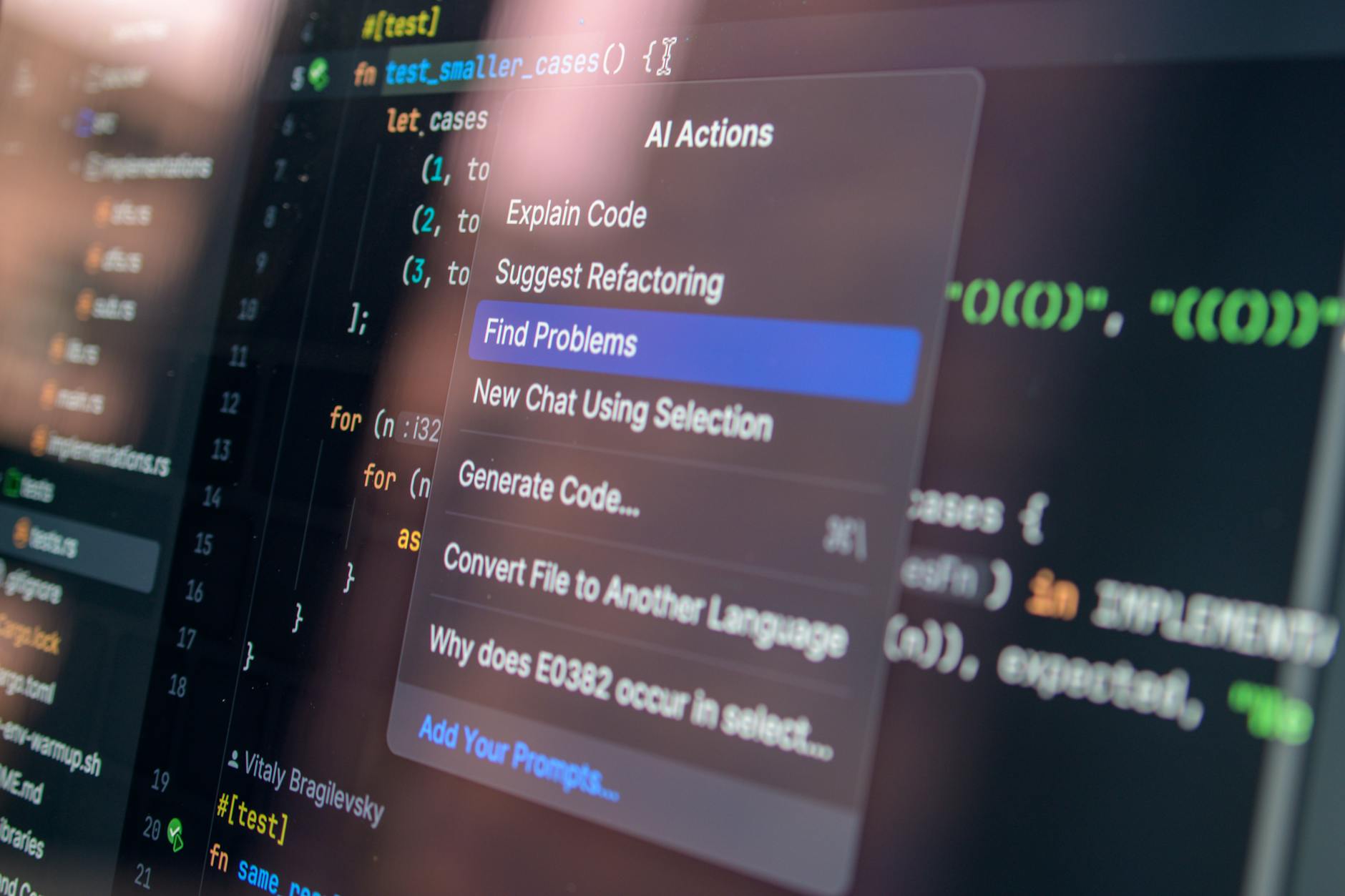
Practitioners rely on these tools to accelerate workflows that traditionally bottlenecked creative production, such as drafting email sequences, outlining long-form articles, or translating technical jargon into plain English. When I tested automated SEO clustering last year, what used to take three days of manual spreadsheet sorting was reduced to a few hours of prompt iteration and curation. Yet, these gains come with strict trade-offs. The software lacks factual verification mechanisms by default, meaning it will invent plausible-sounding details with absolute confidence if its training data contains gaps. Knowing how to spot these confident falsehoods separates casual users from professional operators.
Consider a practical scenario: a marketing team uses a text AI generator to produce product descriptions for a new line of ergonomic office chairs. The model instantly generates fifty snappy descriptions highlighting lumbar support and breathable mesh fabrics. However, two of the descriptions mention a nonexistent adjustable headrest feature because the model conflated the chair with a different model in its training set. If a human editor doesn’t catch that error before publishing, customer trust drops immediately upon delivery. The tool amplified output speed by tenfold, but it also introduced a liability that required human oversight to neutralize.
How Large Language Models Predict Text: The Probability Engine Explained
Large language models operate by breaking text down into tokens—chunks of characters roughly equivalent to syllables or short words—and calculating the mathematical probability of which token should appear next. This matters because writing is treated as a continuous prediction task rather than a logical puzzle with a single right answer. When you type an opening sentence, the software evaluates billions of parameter weights to assign a probability score to thousands of candidate follow-up words. It then samples from those top candidates, sometimes picking the absolute highest probability and sometimes choosing a slightly less likely option to keep the output sounding natural and varied.
Temperature settings and sampling parameters give users direct control over this mathematical engine, shifting the model’s behavior between strict predictability and wild creativity. Setting the temperature close to zero forces the generator to pick the most mathematically probable token every single time, resulting in repetitive, formulaic phrasing ideal for data extraction. Turning the temperature up introduces randomness into the selection pool, letting the model pull unexpected metaphors and stylistic variations from its latent space. In practical writing workflows, I usually lower the temperature for structural outlining and raise it slightly when I need fresh angles for a stubborn introduction.
Imagine configuring an AI to write weekly financial summaries for retail investors. If the temperature is set too high, the probability engine might inject overly poetic or risky phrasing into sensitive market data, turning a standard earnings report into a dramatic thriller. Conversely, keeping the parameters tightly constrained ensures the tone remains objective, professional, and compliant with regulatory expectations. This mathematical foundation also explains why tools like those found in structured systems—or even specialized workflows like the AutoSEO framework—depend so heavily on precise prompt constraints to keep the probability engine tethered to reality rather than wandering off into fictional tangents.
Understanding those probabilistic mechanics helps clarify why casual text messaging tools feel entirely different from professional authoring environments.
Difference Between Autocomplete and a Modern Text AI Generator: Which One Is Right for You?
Your smartphone keyboard predicts the next word based on a tiny window of recent chat history, whereas a full-scale text ai generator evaluates entire paragraphs of context simultaneously. This difference in scale changes everything about how the output is generated. A basic autocomplete tool guesses local patterns to save you keystrokes on a casual message to a friend. A modern model, by contrast, maintains a complex internal map of narrative structure, tone, and argument progression across thousands of words.
Choosing the right tool depends entirely on your specific bottleneck. If you just need a quick email reply drafted on your phone, a lightweight widget or an basic ai writing assistant free of complex setup is more than enough. But when you are building a comprehensive marketing campaign or writing an educational guide, you need an engine that can sustain a coherent line of argument from introduction to conclusion. I learned this lesson the hard way when I tried to outline a ten-page whitepaper using a simple browser extension built for quick sentence completions. The output devolved into repetitive loops within the first three paragraphs because the context window was simply too small to remember the initial thesis.
Complex drafting requires deep context windows and flexible parameter tuning. Simpler tools trade away that flexibility for speed and convenience. Matching your project complexity to the right tier of software prevents endless frustration and wasted editing time.
Common Mistakes When Using a Text AI Generator and How to Avoid Errors
Treating a neural network like a traditional search engine is the single fastest way to get mediocre results. Many beginners type a vague, three-word query into the prompt box and expect a polished, publication-ready article on the first try. That approach ignores how probability distributions work. If your instructions are ambiguous, the model defaults to the most generic, cliché-ridden phrasing stored in its training data.
Another frequent trap is trusting the output blindly without verifying technical claims or factual assertions. These models excel at sounding authoritative, even when they invent completely plausible-sounding falsehoods—a phenomenon practitioners call hallucination. Whenever I draft technical pieces or case studies, I treat the generated text as a first rough draft rather than an absolute truth. I cross-check every statistic, historical date, and product feature against primary sources before publishing.
Also Read: How AI Tools Are Changing Everyday Work – Benefits, Risks, and Smart Choices
- Write explicit guardrails in your prompt regarding what the model should not include.
- Break massive writing assignments into smaller, sequential steps instead of asking for an entire document at once.
- Adjust your tone markers carefully, specifying target audiences and reading levels to avoid generic corporate fluff.
Avoiding these common pitfalls shifts your relationship with the software from frustrated trial-and-error to reliable collaboration. Taking ten seconds to write a precise constraint saves twenty minutes of editing later.
Practical Prompts and Workflow Tips From Experienced Practitioners
Getting exceptional output consistently requires treating prompt engineering as an iterative design process rather than a one-shot command. When I work on long-form content, I rarely ask the model to write the whole piece in a single prompt. Instead, I use a modular approach where I first generate a detailed outline, refine the headings manually, and then prompt the model section by section. This keeps the probability engine focused on local context and prevents the narrative drift that plagues longer outputs.
Experienced writers also rely heavily on persona priming to lock in the correct voice. Telling an engine “you are an expert financial journalist with a skeptical, conversational tone” yields radically different prose than a generic command like “write about inflation.” You can also feed the system a short sample of your own past writing to anchor its style. If you are exploring options for an ai writing assistant free of steep subscription costs, testing these persona prompts in open interfaces is a great way to evaluate how well a model adapts to your specific voice.
In practice, your prompt should always specify constraints, format requirements, and target audience clearly. For instance, instructing a model to explain a technical protocol using an analogy about a busy restaurant kitchen forces it to abandon dry jargon in favor of vivid, relatable imagery. Building this habit transforms raw computing power into a genuinely tailored drafting partner.
Frequently Asked Questions about text AI generators
What is a text AI generator and how does it work under the hood?
A text AI generator is a software application powered by large language models that predicts the next most likely word in a sequence based on statistical patterns learned from vast text datasets. When you type a prompt, the system breaks your input into smaller units called tokens, analyzes their relationships using a neural network architecture, and generates a contextual response. It doesn’t actually ‘think’ or understand concepts; instead, it relies on complex probability distributions to stitch together coherent sentences.
How do you write effective prompts to get better results from a text AI generator?
Getting high-quality output requires treating the tool like a junior assistant by providing clear context, specific formatting rules, and concrete examples. In my experience, telling an engine to adopt a specific persona—such as an experienced copywriter or a skeptical financial journalist—fundamentally changes the tone and depth of the prose. Always specify what you want to avoid, set word count boundaries, and provide a short sample of your own writing if you need the output to match your personal voice.
Is a paid text AI generator better than free tools?
Paid versions generally grant access to more advanced underlying models, larger context windows, and faster processing speeds during peak hours. If you only need to draft casual emails or brainstorm quick social media captions, free tier options usually handle the job just fine. However, professional writers and developers working with complex, multi-page documents typically find that paid subscriptions pay for themselves through better reasoning capabilities and fewer factual hallucinations.
Can a text AI generator completely replace human writers?
Practitioners universally agree that these systems struggle with genuine original reporting, personal anecdotes, and deep emotional resonance. While a text AI generator excels at churning out structured first drafts, outlining dense topics, or cleaning up messy grammar, a human editor is still required to verify facts, inject nuance, and ensure the final piece connects with an audience on a human level. Think of the software as a tireless drafting partner rather than a replacement for human creativity.
How do you prevent a text AI generator from making up false facts or hallucinations?
The most reliable safeguard is grounding the model by providing your own source material directly inside the prompt, such as pasting in a specific company report or interview transcript. You should also explicitly instruct the engine to state ‘I don’t know’ if the answer cannot be found in the provided text, which drastically reduces the rate of fabricated statistics or fake historical claims. Fact-checking every proper noun, date, and statistic before publishing remains a non-negotiable step in any professional workflow.
What are the copyright rules regarding content created by a text AI generator?
Current legal frameworks in many jurisdictions generally dictate that purely machine-generated works without substantial human creative input cannot be copyrighted. If you publish raw, unedited output straight from a text AI generator, competitors can legally reuse it because it lacks human authorship. This is another practical reason why professional writers heavily rewrite, curate, and stitch together AI-assisted drafts rather than publishing raw text directly.
References & Sources

profiteraai writes for Profiteraai.com, sharing field-tested insights and practical, hands-on guides based on real experience rather than theory.
Pingback: How to Write Reviews That Actually Help People (and Keep You Credible) - Profiteraai.com